


Taking care of your dental health is crucial, but sometimes, despite your best efforts, you may experience issues that require more than just a regular dental check-up. One such procedure that often strikes fear into patients is the root canal. However, understanding the signs that you might need a root canal can help you address the problem early, potentially saving your tooth and reducing the pain. Here’s what you need to know about the symptoms that may indicate a root canal treatment is necessary.
1. Persistent Tooth Pain
Persistent tooth pain is one of the most prominent indicators that you could require a root canal. This pain can manifest in several ways:
- Constant, throbbing pain: If you experience a constant, throbbing ache that doesn’t subside, even with over-the-counter painkillers, it could be a sign of an infected tooth pulp.
- Pain when chewing or touching the tooth: Sensitivity or pain when applying pressure to a specific tooth is a strong indication that the nerves within are inflamed or damaged.
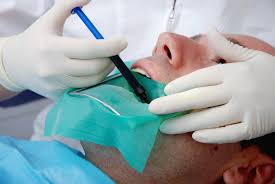
- Pain that radiates: If the pain spreads from the tooth to your jaw, ear, or other teeth, it could be a sign that the infection is spreading, requiring immediate attention.
2. Prolonged Sensitivity to Hot or Cold
Sensitivity to temperature changes is normal to some extent, but if you notice that your tooth remains sensitive long after you’ve had something hot or cold, it could be a warning sign. This prolonged sensitivity often indicates that the nerves or blood vessels inside the tooth are damaged, which may necessitate a root canal to prevent further decay or infection.
3. Discoloration of the Tooth
A tooth that becomes discolored or darkened can be more than just a cosmetic issue. Tooth discoloration, particularly if it turns gray or black, may indicate that the internal tissue is decaying or has died. This type of discoloration typically points to nerve damage within the tooth, which can only be addressed through a root canal procedure.
4. Swollen or Tender Gums
Swelling or tenderness in the gums around a particular tooth can be a sign that something is wrong beneath the surface. This swelling may be accompanied by a small, pimple-like bump on the gums, known as an abscess. Abscesses are often filled with pus, indicating an infection that has spread to the root of the tooth. If left untreated, this can lead to more severe dental and health complications.
5. A Cracked or Chipped Tooth
Cracked or chipped teeth are not just a cosmetic concern; they can also lead to serious dental issues. If a tooth is cracked or chipped, bacteria can enter the tooth’s pulp and cause an infection. Even if the tooth doesn’t hurt initially, it’s important to monitor it for any signs of discomfort, as an untreated crack or chip can lead to the need for a root canal.
6. Deep Decay
If a cavity is left untreated for too long, it can penetrate deep into the tooth, reaching the pulp and causing severe damage. This deep decay can lead to an infection that requires a root canal to remove the affected tissue and save the tooth. Regular dental check-ups can help catch cavities early, preventing the need for more extensive treatment.

7. Painful or Prolonged Sensitivity to Touch
If you notice that your tooth is sensitive or painful when touched, it could be more than just a simple toothache. This sensitivity, especially if it doesn’t go away, may indicate that the nerve inside the tooth is inflamed or infected, necessitating a root canal.
8. Gum Boils or Pus Around the Tooth
The appearance of pus or a gum boil near the affected tooth is a clear sign of infection. Gum boils are often accompanied by a bad taste in the mouth, and they can sometimes release pus when pressed. These symptoms are serious and should prompt an immediate visit to the dentist, as they usually indicate the need for a root canal to eliminate the infection.
Conclusion
While the thought of a root canal treatment may seem intimidating, it is a common and effective procedure that can save your tooth and relieve your pain. Early intervention can prevent the infection from spreading and help you avoid more serious dental issues in the future.
Remember, maintaining good oral hygiene and attending regular dental check-ups are your best defenses against the need for a root canal. But if you do notice any of these signs, don’t hesitate to seek professional help. Your dental health is worth it!